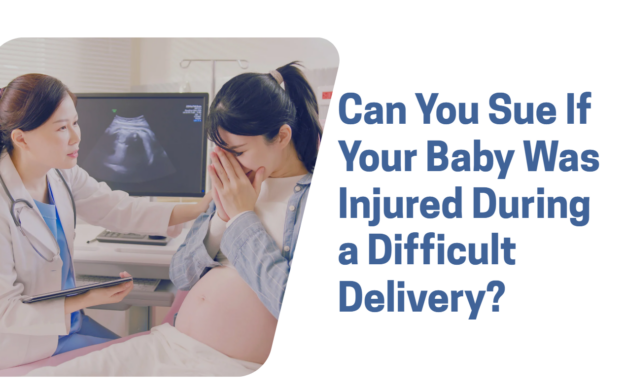

Dangerous Drug Interactions During Pregnancy and Labor

Dangerous drug interactions during pregnancy and labor occur when medications such as Pitocin, magnesium sulfate, prostaglandins, or anesthesia drugs are improperly combined, dosed, or monitored. These errors can cause fetal oxygen deprivation, uterine rupture, maternal complications, and preventable birth injuries when medical providers fail to follow established safety standards.

What Defines a High-Risk Pregnancy and What Special Care Is Required?

A high-risk pregnancy involves medical, fetal, or pregnancy-related factors that increase the chance of complications for mother or baby. These pregnancies require enhanced monitoring, specialist care, and tailored delivery planning. When providers fail to recognize risks or provide appropriate care, preventable birth injuries and maternal harm can occur.

When Pregnancy Complications Are Misdiagnosed or Ignored

Pregnancy complications become dangerous when warning signs are misdiagnosed or ignored. Conditions like preeclampsia, gestational diabetes, infections, and placental disorders require timely recognition and action. Delayed diagnosis or inadequate response can lead to fetal distress, hypoxic brain injury, cerebral palsy, and other lifelong conditions that are often preventable with proper care.

attorney medical malpractice near me | Birth Injury -injuryfromhospital.com

How Improper Fetal Monitoring Leads to Preventable Injuries

Improper fetal monitoring occurs when abnormal heart rate patterns during labor are misinterpreted, ignored, or inadequately addressed, allowing oxygen deprivation to the baby’s brain. This preventable failure can lead to hypoxic-ischemic encephalopathy (HIE), cerebral palsy, and lifelong disabilities. Expert review of fetal monitoring records is critical to determine whether substandard care contributed to injury.

Understanding Birth Asphyxia and Its Consequences

Birth asphyxia occurs when a newborn suffers oxygen deprivation before, during, or immediately after delivery, potentially leading to hypoxic-ischemic encephalopathy, cerebral palsy, and lifelong disabilities. Many cases are preventable through timely monitoring, proper labor management, and emergency intervention. Expert review of medical records is crucial to determine whether negligence contributed to the injury.

What Is Erb’s Palsy and How Does It Happen During Delivery?

Erb’s palsy is a brachial plexus injury that occurs during delivery, often due to shoulder dystocia, excessive force, or delayed intervention. While some cases resolve, many result in permanent weakness or disability. Careful review of delivery records and medical expert evaluation can determine whether the injury was preventable and linked to medical negligence.

attorney medical malpractice near me | Birth Injury -injuryfromhospital.com

Was Your Child’s Cerebral Palsy Caused by Medical Negligence?

Cerebral palsy can result from prenatal factors or preventable injuries during labor and delivery. Oxygen deprivation, delayed cesarean sections, and mismanaged fetal distress are common causes of preventable cases. Reviewing labor records, fetal monitoring, and neonatal care with medical experts can help families determine whether medical negligence contributed to their child’s condition.