
Understanding the Types of Cerebral Palsy and Their Causes
Learn the four types of cerebral palsy, what causes each, and when CP may be a preventable birth injury. Guidance for families in TX, GA, AL, and CO.

Learn the four types of cerebral palsy, what causes each, and when CP may be a preventable birth injury. Guidance for families in TX, GA, AL, and CO.

Learn how medical malpractice and birth injury cases work in Texas, Georgia, Alabama, and Colorado, including negligence, evidence, expert requirements, filing deadlines, damages, and legal options for families.

Hospital credentialing failures occur when a hospital improperly verifies, monitors, or evaluates healthcare providers before allowing them to treat patients. If an unqualified or incompetent provider causes harm, the hospital may face liability for negligent credentialing or other institutional failures. Texas, Georgia, Alabama, and Colorado have different legal standards.

The discovery process in medical malpractice cases allows both sides to gather evidence through medical records, depositions, expert reports, and document requests. In Texas and Georgia, discovery plays a critical role in uncovering negligence, evaluating damages, and preparing a case for settlement or trial.

Intracranial hemorrhage in newborns is bleeding inside or around the brain that can result from birth trauma, prematurity, oxygen deprivation, or other medical conditions. While some hemorrhages occur despite appropriate care, medical negligence may be involved when improper delivery techniques, delayed cesarean sections, inadequate monitoring, or delayed diagnosis contribute to the injury.
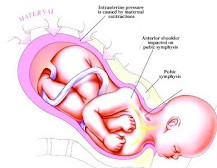
Learn how misdiagnosed placental conditions, including placenta previa, placenta accreta spectrum, placental abruption, and vasa previa, can lead to birth injuries and maternal harm. Discover when delayed diagnosis or improper prenatal care may constitute medical malpractice in Texas and nationwide.
Organ damage during a C-section: bladder, ureter, bowel, and vessel injuries, warning signs after surgery, and your legal rights in TX, GA, AL, and CO.

Urinary tract infections during pregnancy require prompt screening and treatment to prevent serious complications such as pyelonephritis, preterm birth, maternal sepsis, and birth injuries. When healthcare providers fail to diagnose or properly manage pregnancy-related UTIs, preventable harm may result, giving rise to a medical malpractice claim.

Why emergency C-section decisions get delayed, what the 30-minute standard means, and how a delayed C-section can cause HIE. Help in TX, GA, AL, and CO.

Learn whether Erb’s palsy resolves naturally or requires treatment. Understand recovery timelines, treatment options, and when medical intervention becomes necessary for brachial plexus birth injuries.